Apart from the usual pregnancey and antenatal care services we also offer the following on request:
- Screening for chromosome abnormalities between week 12 and 14
through Nuchal translucency measurementAn
ultrasound test, carried out between the 12th and 13th week of pregnancy,
measuring a small fluid collection within the skin at the back of
the baby’s neck (nuchal translucency). A normal nuchal measurement
indicates a low risk of the most serious chromosome abnormalities.
Studies have shown an 80% detection rate for trisomy 21 (Down’s
syndrome) using this method, and when used in combination with biochemical
measurement of PAPP A and HCG in the mother’s blood this can be
increased to 85–90%.
Combining the nuchal scan and the blood test and taking into account the mother’s age, a computer-based risk assessment can be made and advice given on whether further, more invasive, tests should be carried out. (nuchal scanning) as well as determination of the PAPP A and HCG in the maternal blood (first trimester bloods and nuchal scan) - Additional ultrasound scans in combination with Doppler ultrasoundA special ultrasound scan of the arteries that supply the placenta with blood from the mother. The resistance to blood flow in the placenta is assessed with Doppler ultrasound of the umbilical artery. This gives an indication of foetal well-being and can help with the early detection and monitoring of problems such as pre-eclampsia (pregnancy-related high blood pressure and proteinuria, i.e. presence of protein in the urine) or placental insufficiency, a condition in which the placenta is not supplied with enough blood to meet the foetus’s needs, resulting in parts of the placenta dying and at the same time the foetus not receiving enough ‘food’ or oxygen.
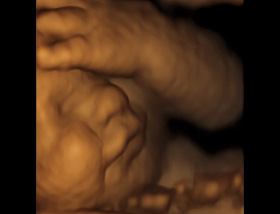
- Ultrasound images on CD
- Screening for a variety of infections that may be relevant during pregnancy
- Glucose tolerance test (GTT) Following assessment of baseline blood sugar levels (after overnight fasting), the patient is given a glucose solution to drink. Blood sugar levels are then obtained again after one or two hours, in order to assess the glucose metabolism. to rule out gestational diabetes (pregnancy diabetes) A type of diabetes that affects pregnant women, often during the last trimester of pregnancy, and is associated with increased risks to mother and baby. Although pregnancy diabetes usually resolves itself after giving birth, 9% of women affected during pregnancy will develop type 2 diabetes later in life.
- Arranging for a planned Caesarean (following thorough consultation and advice).
Download flyer Antenatal care and obstetrics
(PDF 4 pages, 353 kb)